Home / Abdominal pain / Gastroesophageal reflux: symptoms, causes and remedies
Gastroesophageal reflux: symptoms, causes and remedies
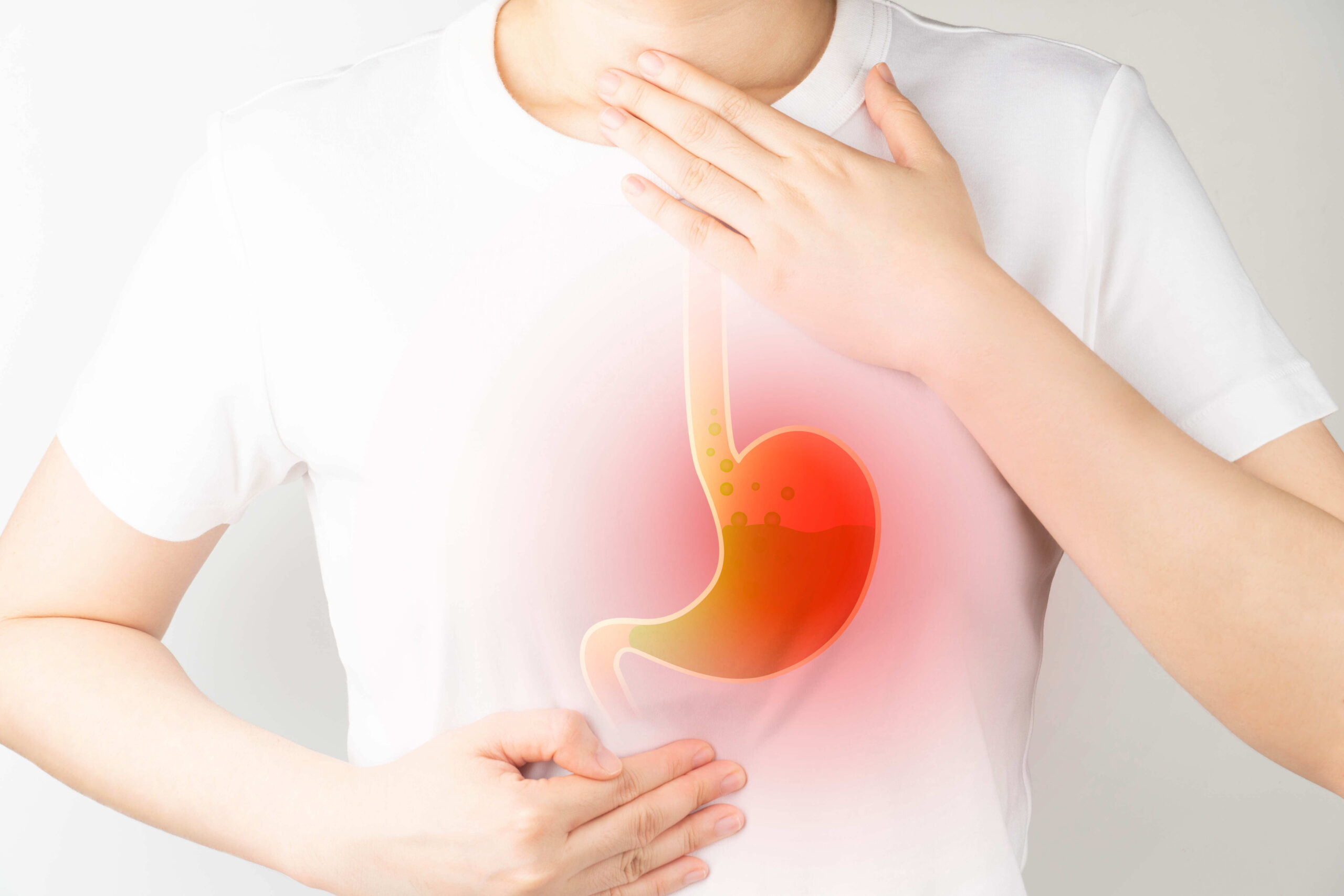
One of the most common stomach problems is gastroesophageal reflux. Reflux occurs when stomach acid backs up into the oesophagus, causing symptoms such as heartburn, regurgitation of acid and irritation. Usually, reflux occurs after meals or at bedtime. For this type of problem, diet plays a decisive role. It is often the case that improving one’s eating habits can also solve gastroesophageal reflux problems. However, let’s try to better understand what is meant by reflux, how to deal with it and which foods to avoid.
What is gastroesophageal reflux?
Gastroesophageal reflux is defined as the rising of the gastric contents from the stomach to the oesophagus. In addition to food, gastric juices, which are particularly acidic, also rise. These can come into contact with the mucosa of the oesophagus, irritating it and causing various symptoms.
The rise of the gastric contents occurs through a sort of elastic ring between the stomach and oesophagus, the lower oesophageal sphincter. Under normal conditions, the sphincter allows food to pass from the oesophagus into the stomach, and then closes, exerting pressure that prevents the stomach contents from rising. When stomach pressure increases and oesophageal pressure decreases, the protective mechanism fails. It is precisely in these cases that reflux occurs.
How to tell if you suffer from gastroesophageal reflux?
The transfer of stomach contents to the oesophagus occurs physiologically during the day, particularly after meals. However, if these events exceed a certain threshold, this condition can evolve into ‘gastroesophageal reflux disease’ so it can be very important to assess the presence of any signs in order to intervene early. For example, they may be related to a reflux problem: burning in the stomach, acid regurgitation, chest pain, difficulty swallowing.
In addition, ‘atypical’ symptoms such as chronic coughing or hoarseness may also occur. When these symptoms occur without an apparent cause, it is useful to pay attention, because they could be related to gastroesophageal reflux.
In general, if you suffer from this type of problem, it is always a good idea to consult a doctor for an accurate evaluation and a definitive diagnosis.
Gastroesophageal reflux: what are the symptoms?
Heartburn: a burning sensation or pain extending from the upper abdomen to the chest.
Feeling of acidity: the acidic contents of the stomach and undigested food can back up into the oesophagus, pushing up into the throat and mouth.
Chest pain: a pain or tightness in the chest, which can often be confused with a heart attack.
Difficulty swallowing: feeling of a lump in the throat or difficulty swallowing solid food or liquids.
Chronic coughing or hoarseness: acid reflux pushing up past the oesophagus can reach the throat, irritating the mucosa and vocal cords and causing persistent coughing or hoarseness.
Which foods to eat and which foods to avoid for reflux
If we often face symptoms related to gastroesophageal reflux, it can be very important to pay attention to what we eat. For example, we should always include:
Whole grains
White meat
Vegetables
Fish
On the contrary, those who suffer from reflux should try to reduce and in some cases avoid:
Fried foods
Sausages
Cheeses
Coffee
Alcohol
Citrus fruits
Vinegar
Chocolate
Dairy products
Tomatoes
Five good habits to counter reflux
In the case of reflux, it may be important to pay attention to one’s habits and try to follow a healthy lifestyle.
Change your diet. One of the first guidelines for controlling reflux is to adopt a healthier diet. Reducing consumption of spicy, fatty and caffeinated foods, and opting for fibre-rich foods, such as fruit and vegetables, can help reduce symptoms. Avoiding large meals especially before going to bed and concentrating on chewing slowly, can also be beneficial.
Weight loss. If you are overweight, weight loss can help reduce the pressure on the stomach, thus reducing reflux.
Stress relief. Stress management through relaxation techniques such as yoga, meditation or regular exercise can help prevent anxiety-related reflux symptoms.
Raising the head of the bed. Raising the head of the bed a few centimetres can help prevent reflux during the night.
Avoid tobacco smoke. Quitting smoking is an essential step in reducing reflux, as smoking can reduce the function of the lower oesophageal sphincter.

 it
it es
es en
en fr
fr be
be de
de pl
pl pt
pt ro
ro bg
bg be-nl
be-nl
 el
el he
he